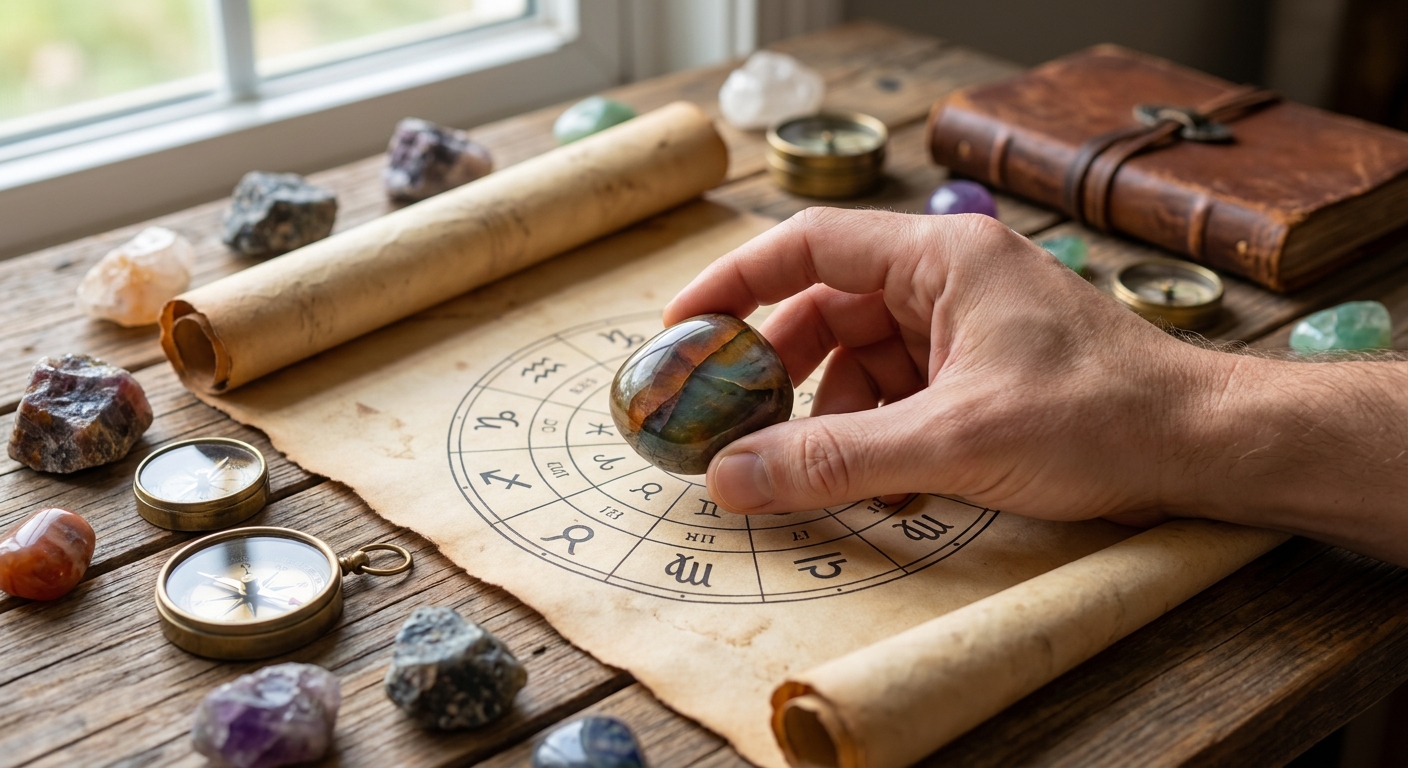
Picking a gemstone because your neighbour swears by it or an ad promised instant luck is how people end up wearing the wrong stone for years. Your lucky gemstone by rashi depends on your moon sign, the planet ruling that rashi, and what your kundli actually needs right now, not on trends.
TL;DR
- Match your gemstone to your moon sign's ruling planet, not your sun sign, before buying anything.
- Aries and Scorpio wear Red Coral for Mars; Taurus and Libra wear Diamond for Venus in 2026 Vedic practice.
- Always get a lab certificate for stone authenticity before you spend on a gemstone above 2 carats.
- Wear the stone as a trial for 3-7 days first; a genuine lucky gemstone by rashi should feel neutral or calming, not restless.
Why this matters
A gemstone in Vedic astrology is meant to amplify or balance the energy of a planet that governs your rashi. Wear the wrong one and you're not doing nothing, you're often working against the planet your kundli actually needs strengthened this year. Astrologers on Wishastro see this constantly: someone buys a Blue Sapphire because a friend's uncle wore one for career growth, and it doesn't suit their Saturn placement at all.
Getting this right isn't complicated once you know the order of steps. It's rashi first, planet second, kundli check third, then purchase.
What you'll need
- Your accurate date, time and place of birth (for a proper kundli, not just a rashi guess)
- A basic list of rashi-to-planet-to-gemstone mapping (below)
- A jeweller or gemologist who provides lab certification (GIA, IGI or a recognised Indian gem lab)
- 15-20 minutes with an astrologer to confirm your current dasha, if you want personalised guidance rather than a generic pick
- Patience for a 3-7 day trial period before committing to a set stone
The steps
1. Confirm your rashi using your moon sign, not your sun sign
Most Western zodiac content uses your sun sign. Vedic astrology for gemstone selection uses your moon sign, called your rashi. These two can differ by one or two signs depending on your birth time, so a five-minute kundli check matters more than it sounds. If you've never had this confirmed, Wishastro's kundli matching guide walks through how birth details map to your actual rashi using just your date of birth.
Common mistake: people pick their gemstone off a generic sun-sign horoscope app and end up with a stone tied to the wrong ruling planet entirely.
2. Match your rashi to its ruling planet
Each rashi has one ruling planet, and the gemstone follows that planet, not the rashi name itself.
- Aries (Mesha) and Scorpio (Vrishchik) - Mars - Red Coral (Moonga)
- Taurus (Vrishabha) and Libra (Tula) - Venus - Diamond or White Sapphire
- Gemini (Mithuna) and Virgo (Kanya) - Mercury - Emerald (Panna)
- Cancer (Karka) - Moon - Pearl (Moti)
- Leo (Simha) - Sun - Ruby (Manik)
- Sagittarius (Dhanu) and Pisces (Meen) - Jupiter - Yellow Sapphire (Pukhraj)
- Capricorn (Makar) and Aquarius (Kumbh) - Saturn - Blue Sapphire (Neelam)
Expected outcome: you now have one specific gemstone name tied to your rashi, not a shortlist of five options a shop is trying to sell you.
3. Check your current dasha before buying
This is the step most people skip and it's the one that matters most. Your dasha is the planetary period you're currently running through, and it can mean the planet ruling your rashi isn't the one that needs strengthening right now. Someone under a Rahu or Saturn dasha, for example, may need a different stone entirely even if their rashi points to Ruby.
A quick way to check this without guessing: if your rashi is Aries, the Aries weekly horoscope page tracks planetary movement affecting Mars-ruled signs week to week, which gives you a sense of whether Mars is currently strong or weak for you. Taurus natives can do the same check on the Taurus weekly horoscope page for Venus transits.
Common mistake: buying a stone based purely on rashi while ignoring an active dasha that contradicts it, then wondering why nothing changes after 2026's first quarter.
4. Decide on carat weight based on budget and purpose
Gemstone strength in Vedic practice is tied partly to carat weight relative to your body weight, roughly one ratti (0.91 carats) per ten kilos is a common starting formula astrologers use, though this varies by practitioner. You don't need a 5-carat stone to see benefit. A well-chosen 2-3 carat certified stone outperforms an uncertified larger one every time.
Expected outcome: a target carat range you can actually shop within, instead of buying the biggest stone in the display case.
5. Insist on lab certification before paying
The gemstone market has more synthetic and treated stones than genuine ones, and Blue Sapphire and Ruby are the two most commonly faked in Indian markets. Ask for a certificate from GIA, IGI, or a recognised Indian gem testing lab before any purchase above a few thousand rupees. No certificate, no purchase, regardless of how convincing the seller is.
Common mistake: trusting a seller's verbal guarantee over a written lab certificate, especially online where you can't examine the stone yourself.
6. Wear it on a trial basis for 3-7 days
Before setting a stone permanently into a ring, wear it loose or taped to your palm for a few days. A stone that genuinely suits your rashi should feel neutral to calming. Restlessness, headaches or unusual irritability during the trial is a signal to stop and reconsider, not push through.
Expected outcome: confidence that the stone agrees with you physically and mentally before it's set permanently.
7. Follow the correct wearing method
Metal, finger, day of the week and time of wearing all matter in traditional practice. Red Coral, for instance, is typically worn on a Tuesday morning in a copper or gold ring on the ring finger. Blue Sapphire is usually tested on a Saturday. Getting the day and finger wrong doesn't make the stone harmful, but it does reduce the traditional benefit associated with the ritual.
Common mistake: wearing the right stone but on the wrong finger or metal, which dilutes the intended effect according to classical Vedic texts.
8. Confirm with an astrologer before a big purchase
A 15-20 minute conversation before you spend on a certified stone above 2-3 carats saves you from an expensive mistake. This is especially true if your kundli shows conflicting planetary influences, which a generic rashi chart online won't catch.
Confirm your gemstone with an astrologer
Talk through your rashi, dasha and dosha before you buy, no signup needed.
Troubleshooting
- The stone feels uncomfortable after wearing it: Stop wearing it immediately and don't force through the trial period. This usually means the planet's energy doesn't suit your current dasha.
- You bought a stone before checking your dasha: Get it re-evaluated by an astrologer rather than discarding it. Sometimes a stone can still be worn with adjustments to timing or combination with another gemstone.
- You're not sure if your stone is genuine: Take it to an independent gem lab, not the seller's in-house appraiser, for a second certification opinion.
- You picked based on sun sign instead of moon sign: Recheck your actual rashi using accurate birth time and location before continuing to wear the current stone.
- Two gemstones you're wearing seem to clash: Certain planetary combinations (like Ruby and Blue Sapphire together) are traditionally avoided because Sun and Saturn are considered enemies in Vedic astrology. Remove one and consult before combining stones.
- You inherited a family gemstone and aren't sure it suits your rashi: Sentimental value doesn't override planetary suitability. Get it checked against your specific chart before assuming it works for you.
Tools and resources
- A confirmed kundli with accurate birth time, checked through Wishastro's kundli matching explainer
- Weekly rashi-specific transit tracking, like the Aries weekly horoscope or Taurus weekly horoscope, to sense-check planetary strength before buying
- A certified gemologist or recognised gem testing lab for authenticity
- A short session with a live astrologer for dasha and dosha confirmation before any big purchase
What to do next
Once you've confirmed your rashi, its ruling planet and your current dasha, the next real decision is whether your kundli shows a dosha that needs addressing before or alongside a gemstone. A Manglik or Shani dosha, for example, can change which stone actually helps versus which one just sits on your finger doing nothing. Start with Wishastro's homepage for free tools covering dosha, dasha and birth chart analysis before you finalise a gemstone purchase.
One last thing
The ratti-to-body-weight formula that many jewellers quote (roughly one ratti per ten kilos) is a starting guideline, not a fixed rule, and it varies between astrological schools. If two astrologers give you different carat recommendations for the same rashi, that's normal, not a red flag, because dasha timing and dosha presence change the calculation person to person.